
Free radicals can contribute to skin aging, but they are not a countdown clock—and their effects depend on exposure, skin biology, and protective habits. These reactive molecules can damage cellular components when they accumulate faster than the body can neutralize them. Research links oxidative stress with changes in collagen, elastin, pigmentation, and the skin barrier; ultraviolet (UV) radiation is a major external source. Understanding what free radicals are, how they affect skin, and what evidence-based steps help limit exposure offers a more useful approach than fear-driven promises about “anti-aging” products.
How oxidative stress contributes to skin aging
Free radicals are highly reactive atoms or molecules with an unpaired electron. In the skin, many belong to a broader group called reactive oxygen species (ROS). The National Cancer Institute describes free radicals as unstable molecules that can damage cells, while dermatology research uses “oxidative stress” for an imbalance in which oxidants outpace antioxidant defenses. ROS also have normal roles in cell signaling and immune defense; the concern is excessive or sustained oxidative stress, not the mere presence of these molecules.
Skin aging has both intrinsic and external influences. Intrinsic aging proceeds with time and biology; extrinsic aging is accelerated by exposures such as sunlight, tobacco smoke, and air pollution. A review in the journal Dermato-Endocrinology identifies UV exposure as a major driver of photoaging, which can appear as wrinkles, rough texture, uneven pigmentation, and reduced elasticity. The World Health Organization notes that UV radiation is a carcinogen, making sun protection important for skin health beyond cosmetic concerns.
UV radiation and photoaging
Photoaging is visible skin damage caused by repeated exposure to sunlight and other UV sources. UVA penetrates more deeply into the skin than UVB and can generate ROS that affect collagen-supporting structures; UVB is strongly associated with sunburn and direct DNA damage. Both contribute to skin injury. The U.S. Food and Drug Administration advises using broad-spectrum sunscreen because it protects against both UVA and UVB, and recommends a water-resistant product with SPF 15 or higher for sun protection. SPF chiefly measures protection against sunburn-causing UVB when sunscreen is applied as directed; it does not mean exposure is risk-free.
Collagen, elastin, and visible changes
Collagen provides structural support, while elastin helps skin return to shape after stretching. Oxidative signaling and UV-related inflammation can increase enzymes that break down components of the skin’s extracellular matrix. Over time, this may contribute to fine lines, laxity, and a coarse texture. These changes have multiple causes, including natural aging and sun exposure, so they cannot be attributed to free radicals alone.
Pigmentation and barrier effects
Oxidative stress can also interact with pigment-producing cells and inflammatory pathways, contributing to uneven tone and dark spots after repeated UV exposure. At the same time, environmental stressors may affect the skin barrier, which helps limit water loss and irritation. The visible outcome varies by person, exposure history, and skin tone; pigmentation changes should be assessed by a clinician if they are new, changing, or concerning.
Where skin-damaging oxidative stress comes from
The body produces ROS naturally during metabolism, and skin cells have antioxidant systems that help control them. External exposures can add to this load. This distinction matters: the practical goal is not to eliminate normal ROS, but to reduce preventable damage and support the skin’s natural defenses.
Sunlight and tanning devices
Sunlight is a major source of UV exposure in daily life, and tanning beds add concentrated artificial UV. The U.S. Centers for Disease Control and Prevention recommends seeking shade, wearing protective clothing, and applying broad-spectrum sunscreen. Avoiding intentional tanning is also a direct way to reduce UV exposure; a tan is a sign that skin has responded to UV, not evidence of protection from damage.
Air pollution and smoke
Airborne particles and tobacco smoke can expose skin to oxidizing compounds and may contribute to inflammation. A 2016 review in Journal of Dermatological Science examined evidence connecting air pollution with skin aging and pigmentation changes, while noting that effects depend on pollutant type, exposure, and other factors. Avoiding tobacco smoke and following local air-quality guidance during high-pollution periods can reduce exposure, though skincare cannot fully counteract environmental pollution.
Lifestyle and individual variation
Smoking, diet, sleep, and health conditions can influence overall oxidative balance, but claims that a single food or supplement prevents skin aging are not established by strong clinical evidence. Genetics, age, occupation, climate, and accumulated sun exposure also shape outcomes. As a real-world example, someone working outdoors may have substantially more routine UV exposure than a person who spends most workdays indoors, making protective clothing and reapplication of sunscreen especially relevant.
Evidence-based ways to limit free-radical skin damage
The most reliable strategy is reducing the exposures known to damage skin, particularly UV radiation. Antioxidant skincare may complement these measures, but it should not replace sunscreen, shade, or protective clothing. The chart below summarizes practical options and their roles.
Textual chart: protection by approach
Broad-spectrum sunscreen: reduces UV reaching skin when correctly applied; protective clothing and shade: reduce direct exposure; avoiding smoking: removes a source of oxidants; topical antioxidants: may help neutralize some oxidative reactions, but evidence and formulations vary.
Use sunscreen and physical protection
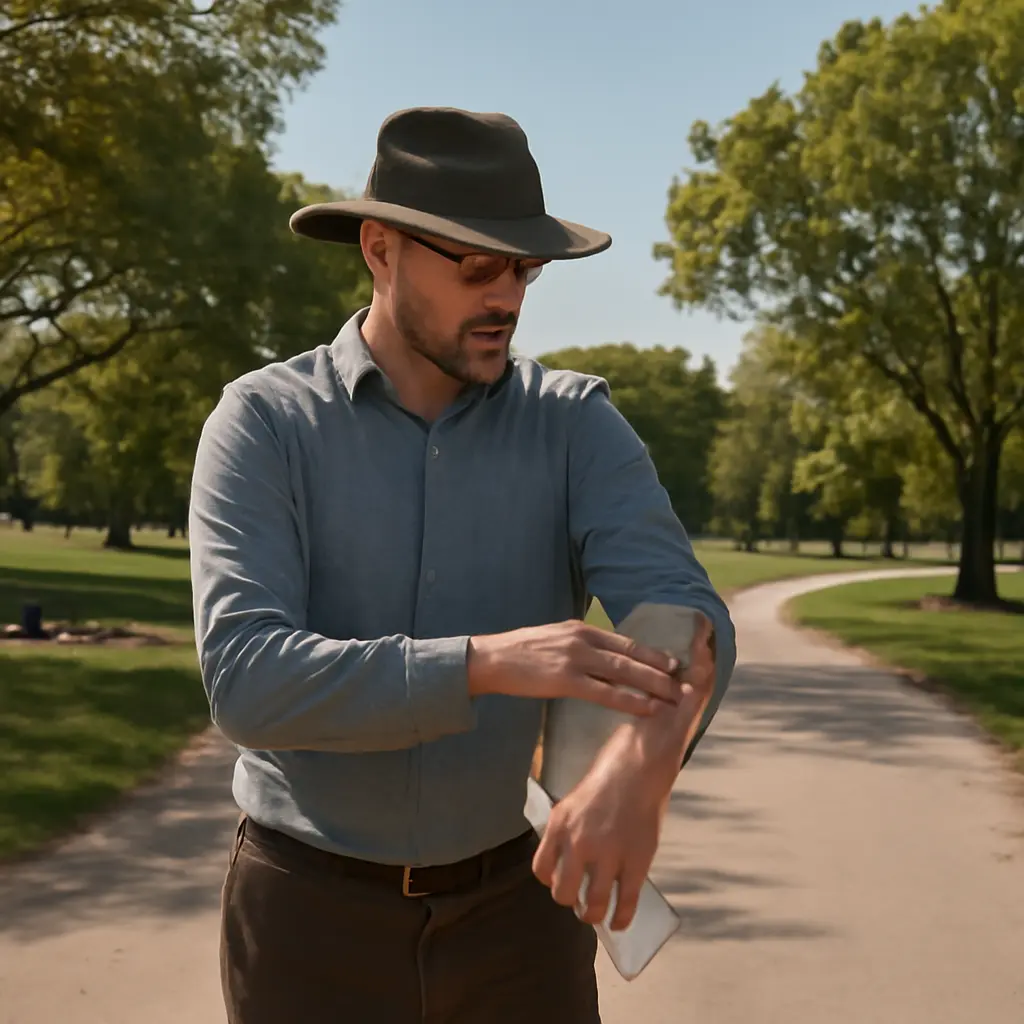
Choose a broad-spectrum sunscreen with SPF 30 or higher for routine outdoor protection, apply it generously, and reapply about every two hours outdoors and after swimming or sweating, following the product label. The American Academy of Dermatology recommends combining sunscreen with shade and clothing, including a wide-brimmed hat and UV-protective sunglasses. No sunscreen blocks all UV radiation, so these measures work best together.
Consider topical antioxidants with realistic expectations
Ingredients such as vitamin C, vitamin E, and niacinamide are used in some skincare products for antioxidant or barrier-supporting properties. Laboratory findings and small clinical studies suggest potential benefits, but results depend on concentration, formulation, stability, and individual tolerance. The American Academy of Dermatology cautions that skincare products are not a substitute for sun protection, and a product’s marketing claims do not guarantee proven results. Introduce one product at a time and stop if irritation develops.
Support skin health without relying on “detox” claims
A balanced diet, adequate sleep, and avoiding tobacco support general health, but supplements marketed as radical blockers or skin “detoxifiers” may lack reliable evidence and can carry risks or interact with medicines. The U.S. National Center for Complementary and Integrative Health advises consumers to discuss supplements with a health professional, especially when pregnant, taking medication, or managing a medical condition. For persistent irritation, sudden pigment changes, or a changing spot, consult a qualified healthcare professional rather than relying on cosmetic products.
Conclusion: protect skin by focusing on proven exposures
Free radicals and related reactive oxygen species are part of normal biology, but excessive oxidative stress can contribute to photoaging and other skin changes. UV exposure is a well-established, modifiable contributor; pollution and smoke may add to the burden, while individual factors affect how damage appears. A practical plan is to use broad-spectrum sunscreen, seek shade, wear protective clothing, avoid tanning and tobacco, and treat antioxidant products as optional support rather than a cure. For further guidance, consult a dermatologist or the American Academy of Dermatology’s sun-protection recommendations.
Sources: National Cancer Institute, Antioxidants and Cancer Prevention Fact Sheet, https://www.cancer.gov/about-cancer/causes-prevention/risk/diet/antioxidants-fact-sheet; World Health Organization, Ultraviolet Radiation, https://www.who.int/news-room/fact-sheets/detail/ultraviolet-radiation; U.S. Food and Drug Administration, Sun Protection: The Molecule and the Sunscreen, https://www.fda.gov/drugs/understanding-over-counter-medicines/sun-protection; U.S. Centers for Disease Control and Prevention, Sun Safety, https://www.cdc.gov/skin-cancer/sun-safety/index.html; American Academy of Dermatology, Sunscreen FAQs, https://www.aad.org/media/stats-sunscreen; American Academy of Dermatology, Skin Care on a Budget, https://www.aad.org/public/everyday-care/skin-care-basics/care/skin-care-on-a-budget; Rinnerthaler et al., Oxidative Stress in Aging Human Skin, Dermato-Endocrinology, 2015, https://doi.org/10.1080/19381980.2015.105620[d]; Krutmann et al., Pollution and Skin: From Epidemiological and Mechanistic Studies to Clinical Implications, Journal of Dermatological Science, 2016, https://doi.org/10.1016/j.jdermsci.2016.06.001; U.S. National Center for Complementary and Integrative Health, Using Dietary Supplements Wisely, https://www.nccih.nih.gov/health/using-dietary-supplements-wisely